
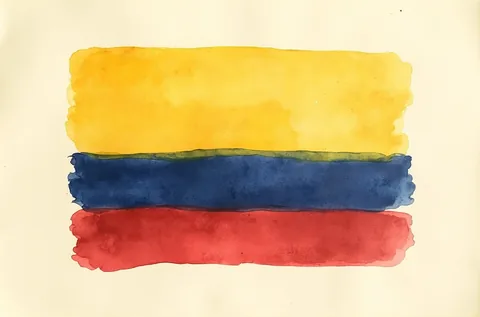
In 1936, in a cold stone town high in the Colombian Andes, a boy of five learned his first poem. He could not yet read. His grandfather, an old general of the War of a Thousand Days, gave it to him the old way, mouth to memory, and the boy held it, then held another, until he carried more than a hundred and fifty, and in 1954 he carried them, in ruana and alpargatas, onto the first live television broadcast in Colombia’s history. His name was Rómulo Mora. The country came to know him as el Indio Rómulo, and his town, the people there will tell you, is known for two things: the poet and the ball.
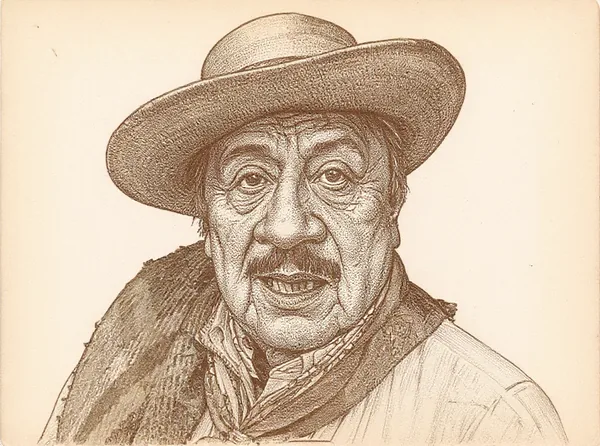
This Letter is about the ball. But hold the boy in mind, because in the very years he was learning his poems by memory, twelve farmers in the same streets were learning to stitch by hand.
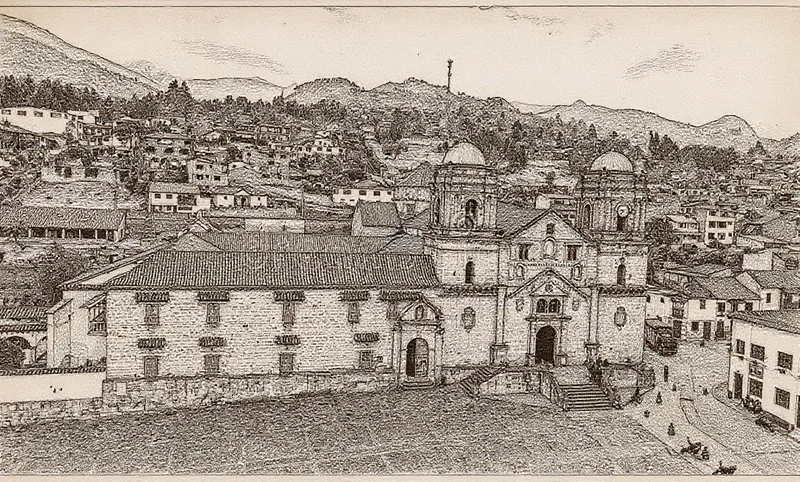
Monguí sits at 10,000 feet in the eastern Andes of Colombia, in the Sugamuxi province of Boyacá, four and a half hours north of Bogotá by car. About 6,000 people live there. The streets are cobblestone and the air is fresh. This is Muisca country, subject once to the great cacique of Sogamoso, and when the Franciscans arrived in 1555 they made their alliance with Monguí’s own cacique, a man named Sanoha. The town’s civil founding followed in 1601, the streets and the central plaza laid out on the last day of December, 425 years ago.
Then the town built its church. The Basílica de Nuestra Señora de Monguí went up in ashlar stone between 1694 and 1760, and to haul that stone down from the Peña de Otí they rebuilt a bridge over the Morro river, the Puente Calicanto, five meters wide and twenty long, its stones set in a mortar of lime, sand, and bull’s blood. Muisca hands built the bridge. A road built to build a church. The church still stands. The bridge still stands. Monguí has twice been named the most beautiful town in Boyacá, in 1980 and again in 2010, and it belongs today to Colombia’s network of heritage towns.
Before this town ever touched a ball, it had already spent three centuries learning to make things slowly, by hand, and keep them for hundreds of years.
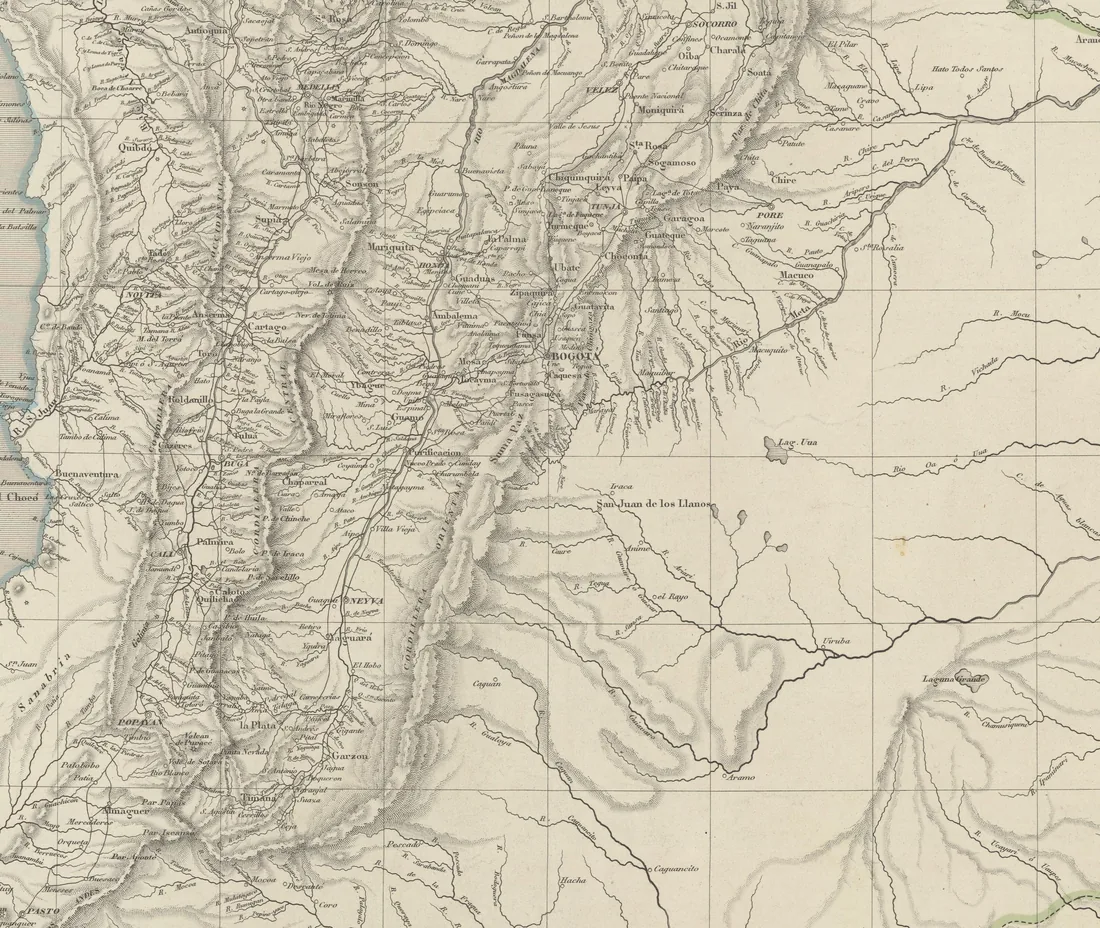
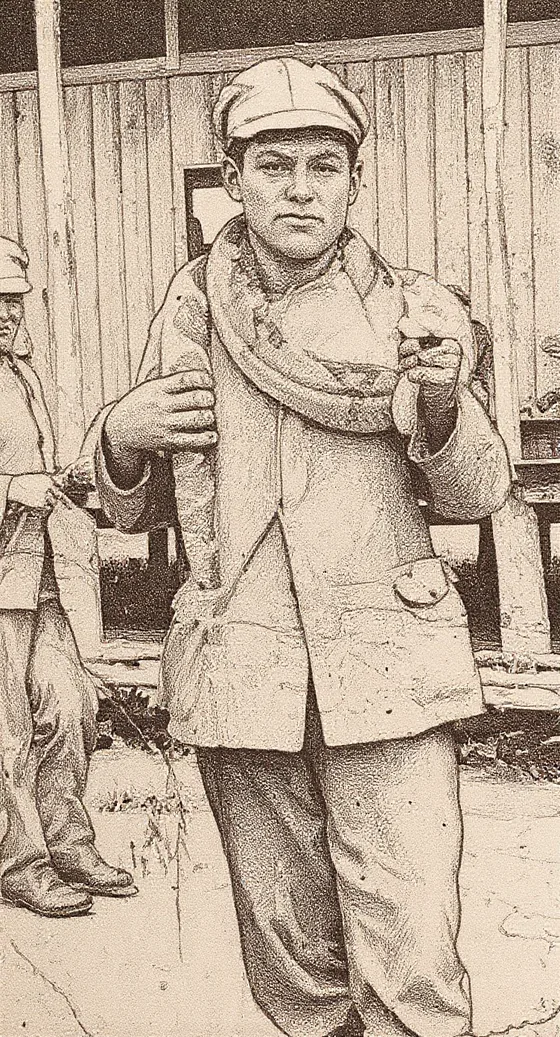
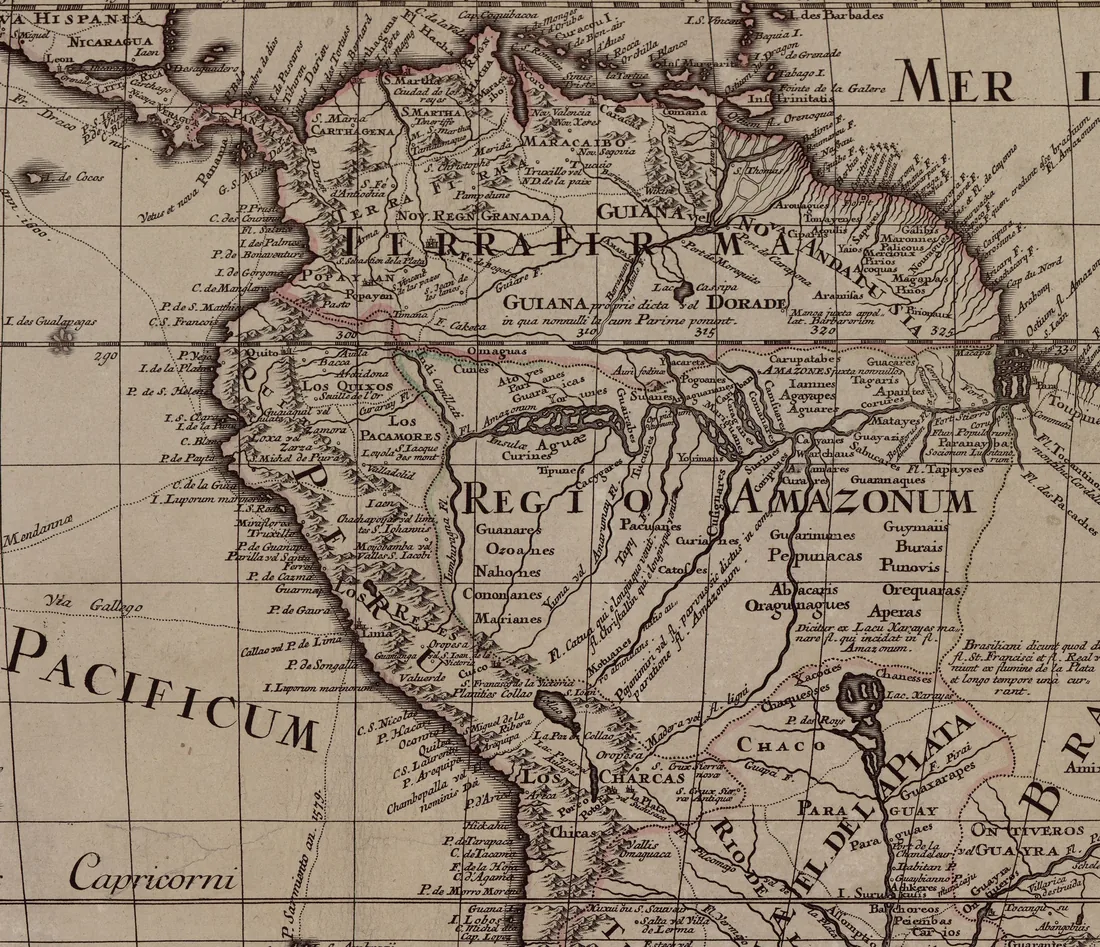
In 1932, Colombia went to war with Peru over the port of Leticia, a major Amazon river port at the heart of Tres Fronteras between Colombia, Peru, and Brazil. A young leatherworker from Monguí named Froilán Ladino was conscripted for the Colombian army that responded to the Peruvian takeover. He was a talabartero, an apprentice of hides and thread. The army sent him far from the mountains, to Manaus, in the Brazilian Amazon.
There he watched Brazilian leatherworkers cut and sew cattle hide into balls. He came away with more than the method. The town tells it that he obtained a template of the ball from the first World Cup, Uruguay, 1930, and carried it home. Whether the paper existed or the pattern simply lived in the memory of his hands, the war ended and Froilán Ladino went back up the mountain.
He returned to Monguí around 1934. With his brother Manuel Ladino he built a tannery, sourced bladders, and began making leather balls in a town that had never made one.
Then he did the thing that made it a craft. He taught it. Froilán passed the method to twelve local farmers, men who folded ball-making into lives already built on crops and livestock, and the town came to call them los doce apóstoles. The twelve apostles. From those twelve hands it passed by blood and apprenticeship, parent to child, house to house, for now going on ninety years.
The town’s poet memorized a hundred and fifty poems. The town memorized the ball.
Around 2006 the vulcanizing machines arrived, and today most of Monguí’s balls are not stitched at all. They are molded, hundreds a day, in the same town, often by the same families. The stitched ball survives inside its own birthplace as the minority craft. And the hands that still sew are mostly women’s hands, working at tables in family houses as their mothers did, a few balls a day against the machine’s hundreds.
In 1938 the Ladinos registered their ball with Colombia’s Ministry of the National Economy. They called it Libertad. It was the first ball the country ever entered on a register.
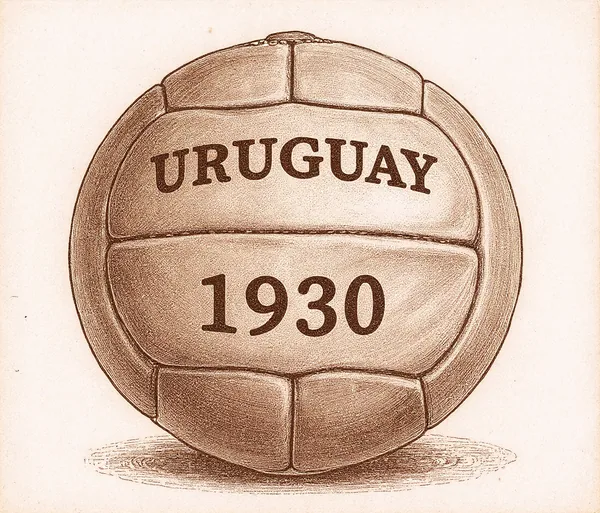
Most origin stories are folklore. This one has a filing. The first Colombian ball has a birth certificate, and it says Monguí.
The method has not fundamentally changed. Thirty-two panels. Nylon thread drawn through beeswax so the stitch holds, and repels water. Two needles, pulled tight, hour after hour, and the thread leaves its record on the cosedoras' hands, the calluses and the punctures that are the craft’s true signature.
At its height, 350 families in Monguí sewed balls. Today the sewers number in the dozens. The arithmetic is not a mystery. Balls from Pakistan and China arrive cheaper than handwork can answer, and a family that must eat makes the ball the market pays for. The mold was an offer, and the town, pressed, took it. What remains of the hand-stitch is a refusal, and it costs money every day: the few who still sew are choosing the slower, dearer ball over the cheap one the machine and the imports offer, and they pay for that choice in thinner margins and fewer balls sold, for no return but the craft itself. The machine does not get calluses. The machine does not teach its children.
There is a museum in Monguí. Two small rooms. Old balls under glass, and on the wall a black-and-white photograph of the Ladino brothers, the leatherworker and his brother who started it ninety years ago.